Hydration Strategies for Sprinters
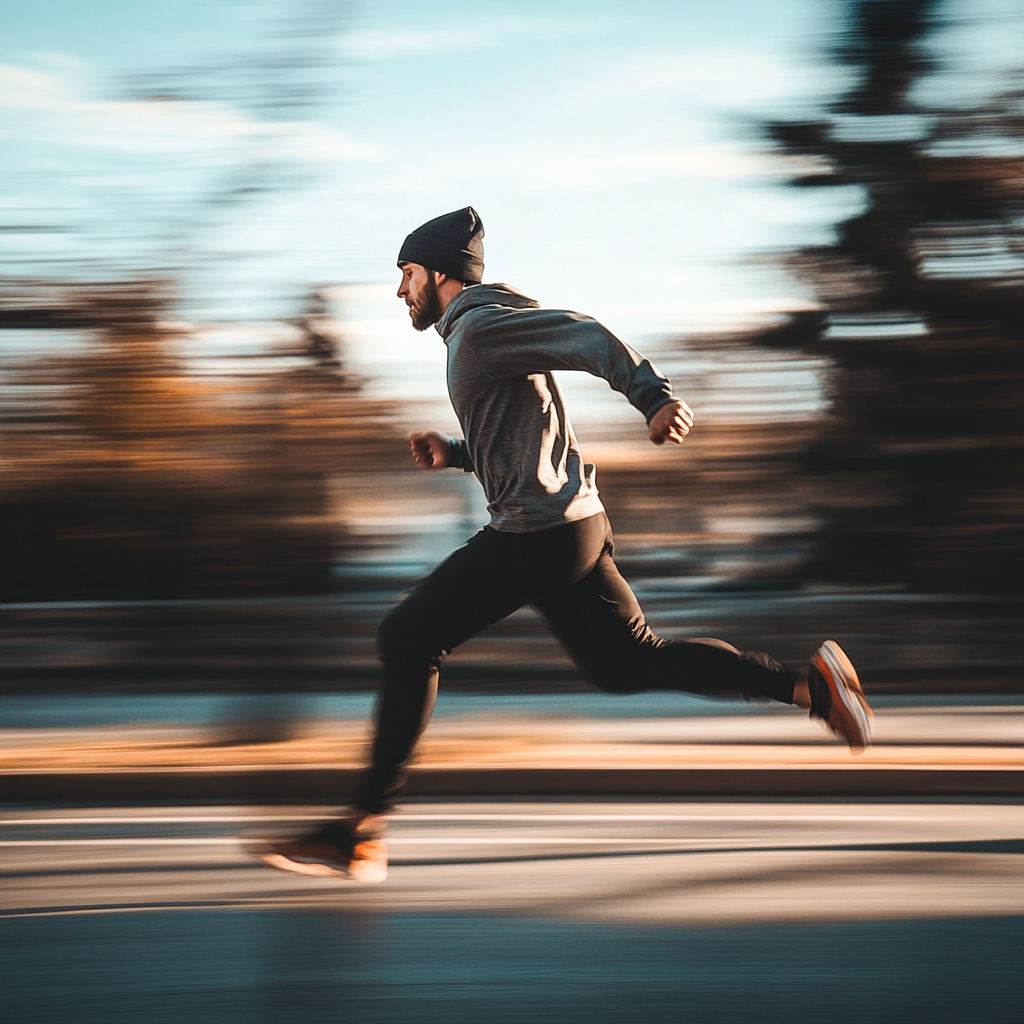
Hydration Strategies for Sprinters: The Secret to Peak Performance
Picture this: You're in the blocks, heart pounding, muscles coiled like springs. The gun fires—you explode forward, legs churning, lungs burning. But halfway through the race, your legs feel like lead. Your mouth is dry, and your focus slips. What went wrong? Chances are, it wasn’t just training—it was hydration.
Sprinters often overlook hydration because races are short. But dehydration can tank your performance faster than a false start. Here’s how to stay ahead of the game.
Why Hydration Matters (Even for Short Races)
Think of your body like a high-performance engine. Even a 10-second sprint demands everything running at 100%. Dehydration slows nerve signals, reduces muscle efficiency, and messes with your focus. Even mild fluid loss—as little as 2% of your body weight—can noticeably hurt performance. For a sprinter, that’s the difference between gold and last place.
Real-life example: At a regional championship, a rising star false-started twice in the 100m finals—something he’d never done before. Later, he admitted he’d skipped water all day to "avoid peeing too much." Mistake. Dehydration scrambled his reaction time.
The Goldilocks Rule: Not Too Little, Not Too Much
Chugging a gallon before the race won’t help—it’ll just slosh in your stomach. The key is consistent, smart hydration:
- Daily baseline: Aim for half your body weight (lbs) in ounces. (150 lbs = 75 oz/day).
- Pre-race: 16–20 oz of water 2 hours before, then another 8 oz 15–30 mins out.
- Post-race: Replace what you lost. Weigh yourself before and after—every pound lost = 16 oz of fluid.
Pro tip: Check your pee. Pale lemonade = good. Dark apple juice = drink up.
Electrolytes: The Unsung Heroes
Water alone isn’t enough. Sweating drains sodium, potassium, and magnesium—critical for muscle contractions. Ever cramped mid-race? That’s electrolytes waving a white flag.
Fix it: For intense sessions or hot days, add an electrolyte tab to your water or snack on salty pretzels post-workout. Coconut water is a natural alternative.
Story time: A college sprinter kept cramping in the 200m finals despite drinking tons of water. Turned out, she was flushing out electrolytes. Adding a pinch of salt to her bottle fixed it.
Race Day Do’s and Don’ts
- Do: Sip small amounts regularly. Set a phone reminder if you forget.
- Don’t: Try new sports drinks on race day. Stick to what you’ve tested in training.
- Do: Pack a reusable bottle. Track your intake.
- Don’t: Rely on thirst. By the time you feel it, you’re already behind.
FAQs
Q: Can I just drink when I’m thirsty?
A: Nope. Thirst kicks in after you’re dehydrated. Stay ahead of it.
Q: Are sports drinks better than water?
A: For workouts under 60 mins, water’s fine. Longer or hotter? Add electrolytes.
Q: How do I avoid peeing right before my race?
A: Time your intake. Stop drinking 30 mins before, and pee during warm-ups.
Q: Does coffee dehydrate you?
A: Not really, but don’t overdo it. Stick to your usual pre-race caffeine routine.
Final Thought: Hydrate Like It’s Part of Your Training
Your hydration plan should be as precise as your block starts. Experiment in training, track what works, and treat it like fuel—because it is. The fastest sprinters aren’t just strong; they’re smart. And now, you are too.